Investment
Capital for the missing middle.
Too big for a microloan. Too small for a development bank. That is the gap we finance, and we finance it commercially.

Investment
Too big for a microloan. Too small for a development bank. That is the gap we finance, and we finance it commercially.
Finance is easier to get for large companies and for micro businesses than it is for the companies in between. The industry calls that gap the missing middle. Small and medium-sized enterprises in developing markets face regulatory barriers as well. Those two problems together hold back the businesses that create the most work.
The numbers make the case. In high income countries SMEs supply 60% of the jobs. In low income countries they supply 30%. We treat that difference as a commercial opportunity, not a charitable one.
We finance companies that already sell to paying customers. We do not fund an idea. A company in our range usually has three things: real revenue, a market it understands, and a management team that wants help as well as money.
We size the facility to the business in front of us. Where a second investor makes the deal stronger, we co-invest. The AMFRI facility was a joint ticket with Yield Fund Uganda, and that structure paid for a processing plant neither party would have funded alone.
Three structures cover almost everything we do:
Our people stay in the business. Four services run alongside the money: financial management, ESG, marketing and sales, and market research. They start 6 to 12 months before an investment and continue for up to four years after it. You pay an agreed fee for that work. It is a service, not a favour.
An ESG review is part of every deal. We select companies that operate responsibly, and we help them turn that into a commercial advantage with the buyers who ask for it.
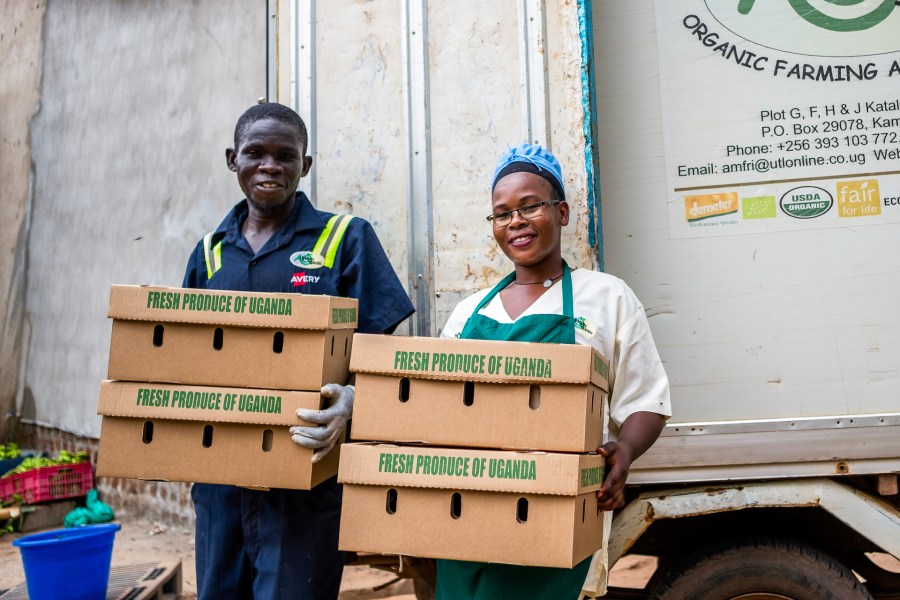
A joint ticket with Yield Fund Uganda paid for the processing plant near the Entebbe cargo hub.
Read the case →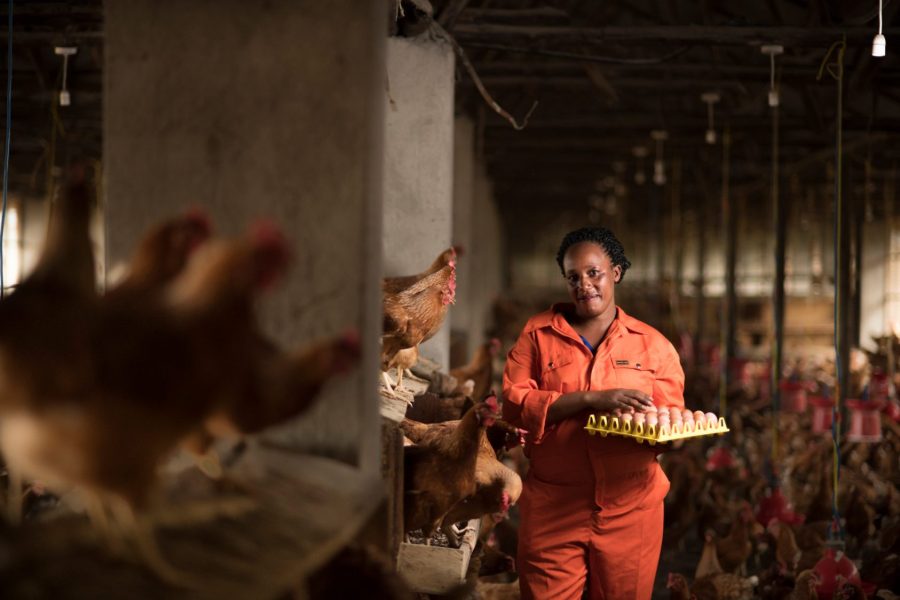
A loan that arrived with production planning, financial management and a route into the premium market.
Read the case →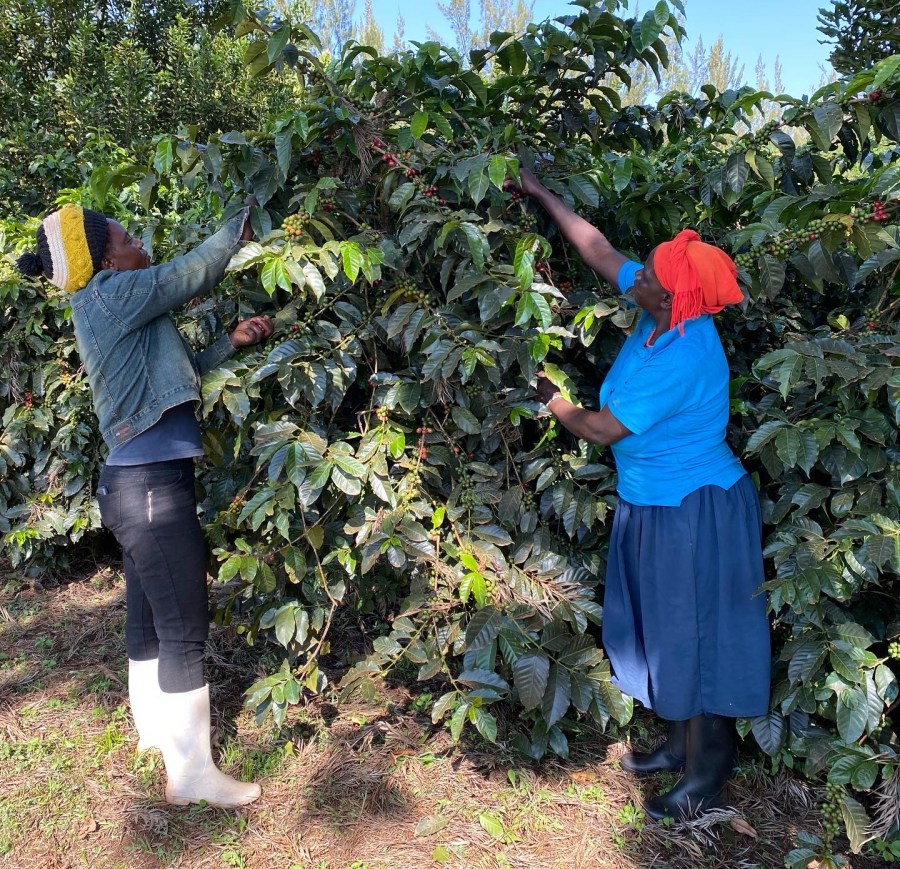
One volatile crop became three, on more than 100 new acres with reliable water.
Read the case →